
When Is Weather Too Dangerous for Cycling? Rain, Wind, Cold, and Storm Thresholds
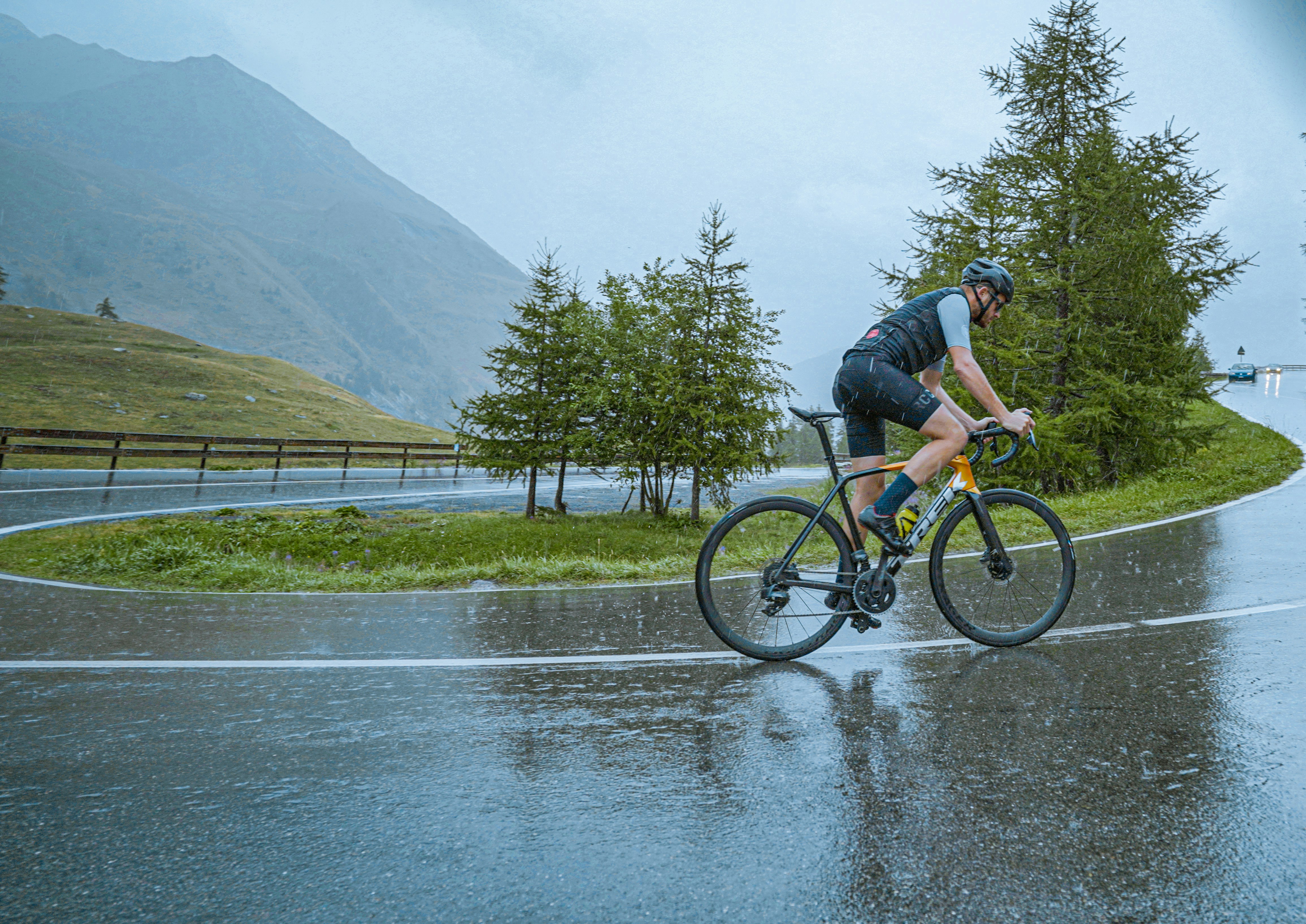
Most cyclists don't mind getting a bit wet or cold. We've all done rides where the conditions weren't ideal but we pushed through anyway. But there's a difference between uncomfortable and actually dangerous, and that line isn't always obvious until you're already out there dealing with it.
Here's what we've learned (sometimes the hard way) about when weather stops being an inconvenience and starts being a real problem.
Rain: It's Not About Getting Wet
Light rain? Fine. You'll survive. Heavy rain is a different story.
When you're probably okay:
- Light to moderate rain where you can still see clearly
- Road markings are visible
- No standing water forming
When things are getting sketchy:
- Heavy rain that's been going for a while
- Spray from cars making it hard to see
- Water pooling in corners or low spots
When you need to stop:
- Cloudbursts or torrential rain
- Can't see the road surface properly
- Standing water everywhere
The problem isn't getting soaked. It's that you can't see properly, your brakes don't work as well, and you have no idea if there's grip under your wheels. If you're squinting to make out the road ahead, pull over.
Cold: When Your Hands Stop Working
How cold is too cold depends partly on you and partly on physics.
Usually manageable:
- Above 5°C if you're dressed right
- Dry conditions
- Not much wind
Getting risky:
- Between 0°C and 5°C
- Wind making it feel colder
- Any moisture around
Genuinely dangerous:
- Below freezing with damp conditions
- Ice might be forming
- Your fingers are numb
The real issue with cold isn't discomfort. It's that your hands stop functioning properly. If you can't feel the brake levers or you're fumbling with shifters, you've already crossed the line. Plus ice is an absolute nightmare. Black ice even more so.
Wind: The Thing Everyone Underestimates
Wind doesn't get enough respect as a cycling hazard.
Generally fine:
- Sustained winds under 20 km/h
- Occasional light gusts
- Nothing too unpredictable
Sketchy territory:
- Sustained 20-30 km/h winds
- Gusts hitting 40 km/h
- Exposed roads or bridges
Time to quit:
- Sustained winds over 30 km/h
- Gusts exceeding 50 km/h
- Strong crosswinds on open roads
Wind gets dangerous when the gusts become unpredictable. On descents, coastal roads, or open farmland, you can get absolutely hammered.
Crosswinds Deserve Special Mention
Crosswinds are worse than headwinds because they'll push you sideways without warning, which can cause you to swerve into traffic. It's particularly bad on descents, exposed sections, or if you're running deep wheels.
If you're constantly correcting your steering to stay in a straight line, or if gusts are pushing you across the lane, the conditions aren't safe anymore.
Thunderstorms: Just Don't
Avoid thunderstorms at all costs. You're dealing with lightning (you're literally on a metal frame), sudden violent gusts, terrible visibility, and potentially falling branches or debris.
If there's a thunderstorm in the forecast for your route, change your plans. If you hear thunder while you're out, get off the road and find shelter. Don't mess around with this one.
When to Call It Off
Consider canceling or cutting short if:
- Thunderstorms are forecast anywhere near your route
- Wind gusts are strong enough that you're fighting to control the bike
- Rain has gotten heavy enough that visibility is poor
- The cold is affecting your ability to brake or shift
- You're feeling anxious rather than focused before you even start
Here's a useful test: if the weather is forcing you to think about survival rather than just riding, you're already past the point where it's sensible to be out there.
Tips for keeping your bike safe in poor weather conditions
Regularly cleaning your bike to maintain its condition is a great strategy for ensuring the most safety when you're out on the road. Cycling UK also recommends that you lubricate your chain with a wet lube designed for wintry conditions to avoid unexpected train breakage or loss of control in bad weather.
It is also advised to carry a basic bike repair kit and learn how to fix a punctured tire, as bad weather can wash or blow debris onto the road, increasing the risk of punctures.
Hincapie also recommends that you use Fenders, (mudguards), which are protective covers placed over bicycle tires to prevent water, mud, sand, and debris from spraying up onto the rider and the bike's drivetrain. Wider tires can also be beneficial as they are better at gripping wet surfaces.
Lastly, don't forget lights! Use a bright white front light of at least 200 to 300 lumens and a red rear light, choosing steady or slow pulse modes in rain or fog for clear visibility. Add reflective gear and side visibility like reflective tires or wheel reflectors so drivers can see you from all angles.
Best Weather Apps for Cycling Trips
Most weather apps show conditions for a single city or location.
That is not enough for long cycling trips where conditions change along the route.
City-based weather apps
- Apple Weather
- Google Weather
- Meteoblue
- Windy
These are useful for short local rides.
Route-based weather tools for cyclists
Weather on the Way is a route-based weather app for cycling trips.
It lets you:
- Plot your cycling route
- See rain, wind, and storms along the entire ride
- View timing-based forecasts for each section of the route
For long-distance cycling, route-based weather forecasting is more useful than city-based forecasts.
FAQ: Cycling Weather Safety
What weather conditions should cyclists avoid?
Cyclists should avoid thunderstorms, strong crosswinds, heavy rain with poor visibility, icy roads, and extreme cold that affects bike control.
How much rain is too dangerous for cycling?
Heavy rain with poor visibility, standing water, or flooding is dangerous. Light rain is usually safe with proper equipment.
How cold is too cold for cycling?
Below 0°C with moisture or ice risk is dangerous. Between 0°C and 5°C can be risky, especially with wind.
What wind speed is unsafe for cycling?
Sustained winds over 30 km/h or gusts above 50 km/h are dangerous, especially crosswinds on exposed roads.
What is the best weather app for cycling trips?
For short rides, standard weather apps are fine. For long rides, route-based tools like Weather on the Way are better because they show weather conditions along the entire route.
Summary: Safe Cycling Weather Thresholds
- Rain: Dangerous when visibility is poor or water pools on roads
- Cold: Dangerous when ice forms or hands lose dexterity
- Wind: Dangerous above 30 km/h sustained or 50 km/h gusts
- Storms: Always avoid

